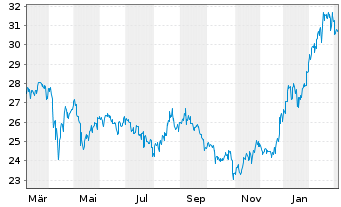
Unlocking the Value of Takeda Stock: A Comprehensive Guide to Tracking 4502.T
Takeda Pharmaceutical Company Limited (TYO: 4502) stands as a venerable giant in the global pharmaceutical landscape, a testament to Japanese innovation and resilience spanning over two centuries. For investors worldwide, tracking Takeda stock, identified by its Tokyo Stock Exchange ticker 4502.T, is an exercise in understanding not just a single company, but the broader dynamics of the healthcare sector, global economics, and cutting-edge biopharmaceutical research. This article delves deep into what makes Takeda a significant player, how to effectively monitor its performance, and what insights can be gleaned from its global market data.
Understanding Takeda Pharmaceutical (4502.T): A Global Innovator
Headquartered in Tokyo, Takeda has evolved from a small traditional medicine merchant into a research-driven global biopharmaceutical leader. Its strategic focus areas include Oncology, Gastroenterology (GI), Rare Diseases, Neuroscience, and Plasma-Derived Therapies. This diverse portfolio, coupled with a robust pipeline of new drugs, positions Takeda at the forefront of medical advancements. The company's commitment to patient-centric innovation drives its significant investment in research and development, a critical factor for any pharmaceutical investor to consider.
For those interested in long-term growth and stability in the healthcare sector, Takeda represents a compelling case. Its global footprint means that its performance is influenced by healthcare policies, economic conditions, and demographic shifts across multiple continents. Tracking 4502.T therefore requires a broader perspective than simply looking at local market trends; it demands an understanding of its competitive positioning and market share in key therapeutic areas worldwide.
Key Metrics and Influencers for Takeda's Stock Performance
When evaluating Takeda stock, a multitude of financial and operational metrics come into play. Savvy investors meticulously examine these indicators to form a comprehensive picture of the company's health and future prospects.
Essential Financial Metrics to Monitor
*
Revenue and Profitability: Core to any stock analysis, tracking Takeda's revenue growth, gross profit, operating income, and net income reveals its ability to generate sales and manage costs effectively. Sustained growth in these areas often signals a healthy business model.
*
Earnings Per Share (EPS): This metric indicates how much profit the company makes for each outstanding share, directly impacting shareholder value.
*
Dividend Yield: Takeda has a history of paying dividends, making it attractive to income-focused investors. The dividend yield (annual dividend per share / share price) offers insight into the return generated from dividends relative to the stock's market price.
*
Debt Levels and Free Cash Flow: Pharmaceutical companies often carry significant debt due to M&A activities and R&D investments. Assessing Takeda's debt-to-equity ratio and its ability to generate strong free cash flow is crucial for financial stability.
*
Price-to-Earnings (P/E) Ratio: This valuation multiple helps investors gauge if the stock is undervalued or overvalued compared to its earnings.
For a deeper dive into these critical numbers, consider exploring detailed analyses that specifically cover these aspects. Investors often question whether
Takeda Aktie 4502.T: Essential Financial Metrics Overview show it trading at a fair valuation, or if key indicators suggest a potential for growth *under* current market conditions.
Factors Influencing Takeda's Stock Price (takeda aktie unter)
Beyond the financials, several qualitative and industry-specific factors can significantly sway Takeda's stock performance. Understanding these elements is crucial to comprehending why
Takeda aktie unter pressure might fluctuate or gain momentum.
*
Research & Development (R&D) Pipeline: The success or failure of Takeda's clinical trials for new drugs is a major stock driver. Positive trial results and regulatory approvals can send shares soaring, while setbacks can cause significant drops.
*
Patent Expirations: As patents on blockbuster drugs expire, generic competition can erode sales. Takeda's ability to introduce new, innovative products before or during these periods is vital.
*
Mergers & Acquisitions (M&A): Takeda has a history of strategic acquisitions, most notably the Shire acquisition. Future M&A activities can impact its financial structure, market position, and ultimately, its stock price.
*
Regulatory Environment: Changes in healthcare regulations, drug pricing policies, or approval processes in key markets (like the US, EU, Japan) can have a profound effect on Takeda's profitability.
*
Global Economic Health: Economic downturns can affect healthcare spending, particularly for elective procedures or non-essential treatments, though essential pharmaceuticals tend to be more resilient. Currency fluctuations, especially between the Japanese Yen and major currencies like the USD and EUR, also impact reported earnings for a globally operating company like Takeda.
*
Competitive Landscape: Takeda operates in a highly competitive industry. Developments from rivals, such as new drug launches or market share shifts, constantly influence its standing.
Navigating Global Market Data for Takeda Stock (4502.T)
Accessing and interpreting global market data for Takeda stock is paramount for informed decision-making. Investors must look beyond basic price quotes to understand the full picture.
Sources for Takeda Market Data
Reliable financial data platforms like Eulerpool, Bloomberg, Reuters, Yahoo Finance, and Google Finance offer comprehensive data for 4502.T. These platforms provide:
*
Real-time and Historical Price Data: Essential for both technical and fundamental analysis.
*
Trading Volume: High volume accompanying price movements indicates strong conviction behind the trend.
*
Company News and Announcements: Regulatory approvals, earnings reports, dividend declarations, and executive changes are often catalysts for significant price shifts.
*
Analyst Ratings: While not a sole basis for investment, aggregated analyst opinions can offer useful context.
*
Financial Statements: Access to income statements, balance sheets, and cash flow statements helps in fundamental analysis.
Analyzing Takeda's Performance Across Markets
While Takeda's primary listing is on the Tokyo Stock Exchange, its global operations mean that investors often monitor its performance in other markets where it might have ADRs (American Depositary Receipts) or be tracked by indices. Understanding the correlation between its primary listing and any secondary listings or ADRs is important. Currency exchange rates play a crucial role here, as a strong Japanese Yen can affect the returns for international investors, and vice versa. When
Takeda aktie unter performing expectations, it's vital to assess if this is due to company-specific issues, broader market trends, or currency headwinds.
For investors aiming to truly grasp the intricacies of this global pharmaceutical powerhouse, a broader look at its market structure and operational efficiency is beneficial. You can gain further insights by reading
Takeda Pharmaceutical Stock: Understanding 4502.T for Investors, which provides a deeper dive into the investor perspective.
Actionable Tips for Investors Tracking Takeda Stock
Investing in Takeda, like any stock, carries inherent risks and opportunities. Here are some actionable tips to guide your tracking and investment strategy:
1.
Stay Informed on R&D Milestones: Keep a close watch on Takeda's pipeline updates, particularly for drugs in late-stage clinical trials. These often lead to significant stock movements.
2.
Monitor Global Healthcare Trends: Understand how aging populations, prevalence of chronic diseases, and advancements in personalized medicine might impact Takeda's target markets and product demand.
3.
Diversify Your Portfolio: Even a strong stock like Takeda should ideally be part of a diversified investment portfolio to mitigate risk.
4.
Consider Long-Term Outlook: Pharmaceutical investments often yield better results over the long term due to the cyclical nature of R&D and product lifecycles. Avoid making decisions based solely on short-term market noise.
5.
Understand Currency Risk: For non-Japanese investors, fluctuations in the JPY/USD or JPY/EUR exchange rates will affect the actual returns of your investment in 4502.T. Factor this into your risk assessment.
6.
Evaluate Management Strategy: Assess management's ability to execute on strategic goals, manage debt, and foster innovation. Strong leadership is a key intangible asset.
Conclusion
Takeda stock (4502.T) offers a compelling investment opportunity for those seeking exposure to the dynamic global biopharmaceutical industry. Its robust pipeline, diversified portfolio, and strong global presence position it as a significant player. However, tracking its performance effectively requires more than just glancing at its daily price. It demands a deep dive into its financial health, an awareness of industry-specific catalysts like R&D breakthroughs and patent expirations, and a keen eye on global economic and regulatory environments. By diligently analyzing these factors and leveraging reliable market data, investors can make more informed decisions when considering Takeda for their portfolios, ensuring they understand the various forces that influence
Takeda aktie unter all market conditions.