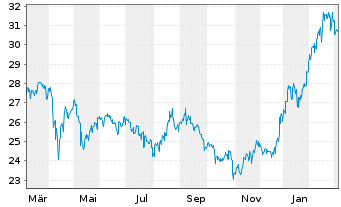
Unpacking Takeda Aktie 4502.T: A Comprehensive Financial Metrics Overview
In the dynamic world of pharmaceuticals, Takeda Pharmaceutical Company Limited stands as a venerable giant. As Japan's largest pharmaceutical company and a global leader, Takeda's influence spans innovative drug discovery, development, manufacturing, and marketing across numerous therapeutic areas, including oncology, rare diseases, neuroscience, and gastroenterology. For discerning investors worldwide, understanding the company's financial health and strategic direction is paramount. This article delves into the essential financial metrics that illuminate the performance of Takeda Aktie 4502.T, offering a crucial guide for those looking to invest in or simply comprehend this significant player in the global healthcare landscape.
The ticker 4502.T specifically refers to Takeda's common stock traded on the Tokyo Stock Exchange (TSE), a primary listing that attracts a wide array of domestic and international investors. While headline figures often capture immediate attention, a truly informed investment decision requires digging deeper – examining what truly lies unter (under) the surface of Takeda's reported numbers. By dissecting key financial indicators, we can gain a clearer perspective on the company's operational efficiency, profitability, valuation, and overall financial stability.
Key Financial Metrics to Analyze Takeda Aktie Unter the Surface
To truly grasp the value and potential of Takeda Aktie 4502.T, investors must move beyond simple stock price movements and engage with the underlying financial data. Here, we explore the critical metrics that provide a comprehensive look at Takeda's performance and prospects, allowing you to get unter the hood of this pharmaceutical powerhouse.
Revenue and Growth Trends: The Engine of Innovation
Revenue is the lifeblood of any company, and for a pharmaceutical giant like Takeda, consistent and growing top-line figures are crucial. Investors should scrutinize:
- Total Revenue: Look for sustained growth over multiple quarters and years. This indicates successful product launches, market expansion, and effective commercial strategies. Given Takeda's focus on innovation, revenue growth often reflects the success of its R&D pipeline and strategic acquisitions.
- Geographical Revenue Breakdown: Takeda has a significant global presence. Understanding revenue contributions from key markets (e.g., Japan, US, Europe, Emerging Markets) can highlight diversification and potential growth areas or dependencies.
- Product Segment Revenue: Analyze which therapeutic areas (e.g., Oncology, Rare Diseases, GI) are driving growth. A strong, diversified product portfolio minimizes risk associated with patent expirations or pipeline failures in a single area.
Steady revenue growth is a strong indicator of a company's ability to maintain and expand its market share, fund further research and development, and deliver shareholder value. For a deeper dive into how Takeda's stock tracks market data, you might want to read Takeda Stock: Tracking 4502.T Across Global Market Data.
Profitability Indicators: Measuring Efficiency and Value Creation
While high revenue is good, profitability measures how efficiently a company converts those sales into actual earnings. These metrics offer insights into Takeda's operational prowess:
- Gross Profit Margin: This shows the percentage of revenue left after subtracting the cost of goods sold. For pharmaceutical companies, robust gross margins are typical due to intellectual property, but changes can indicate shifts in product mix or pricing power.
- Operating Profit Margin: This metric accounts for operating expenses (R&D, SG&A) in addition to COGS. It's a critical measure of core business efficiency, reflecting how well Takeda manages its research, administrative, and marketing costs relative to its sales.
- Net Profit Margin: The ultimate bottom-line figure, showing the percentage of revenue left after all expenses, including taxes and interest, have been deducted. Consistent, healthy net margins are a hallmark of a well-run, profitable enterprise.
- Earnings Per Share (EPS): EPS is perhaps the most widely watched profitability metric, indicating how much profit the company makes for each outstanding share. Rising EPS, especially when driven by operational improvements rather than share buybacks, is often a strong catalyst for stock price appreciation. When examining Takeda Aktie 4502.T, understanding the drivers behind its EPS is crucial for projecting future returns.
Analyzing these margins over time helps investors assess Takeda's ability to control costs and generate sustainable profits, offering a clearer picture of what lies unter the surface of its financial health.
Valuation Ratios: Is Takeda Aktie 4502.T Priced Fairly?
Valuation ratios help investors determine if Takeda's stock price reflects its true intrinsic value or if it's over/undervalued relative to its earnings, sales, or growth prospects. For those considering buying Takeda Aktie 4502.T, these metrics are indispensable:
- Price-to-Earnings (P/E) Ratio: Compares the current share price to the company's EPS. A higher P/E often indicates that investors expect higher future growth, but it can also suggest overvaluation. Comparing Takeda's P/E to industry averages and historical levels is key.
- Price-to-Sales (P/S) Ratio: Useful for companies with fluctuating earnings or during periods of heavy investment, as sales are generally more stable than earnings. A lower P/S ratio can indicate a potentially undervalued stock relative to its revenue generation.
- Enterprise Value to EBITDA (EV/EBITDA): This ratio is particularly useful for comparing companies with different capital structures, as it factors in debt and cash. It provides a more comprehensive view of the company's total value relative to its operational cash flow before non-cash expenses.
- PEG Ratio (P/E to Growth): This ratio takes into account the company's expected earnings growth rate. A PEG ratio of 1 or less is generally considered favorable, suggesting the stock is reasonably priced relative to its growth potential. Given Takeda's focus on innovative drug development, its growth prospects are a critical factor to consider.
These ratios help investors get unter the market's initial sentiment and make a more data-driven decision on whether Takeda's current stock price is justifiable.
Balance Sheet Strength and Liquidity: The Foundation of Stability
A strong balance sheet is the bedrock of any financially resilient company. Investors in Takeda Aktie 4502.T must assess the company's assets, liabilities, and equity to understand its long-term viability:
- Debt-to-Equity Ratio: Indicates the proportion of equity and debt used to finance a company's assets. While some debt can be leveraged for growth, a high debt-to-equity ratio can signal financial risk, especially in an environment of rising interest rates. Takeda has made significant acquisitions, which often involve taking on debt, so monitoring this ratio is critical.
- Current Ratio: Measures a company's ability to meet its short-term obligations (current assets divided by current liabilities). A ratio greater than 1 typically indicates good short-term liquidity.
- Cash Flow from Operations (CFO): This metric shows the cash generated by a company's normal business operations. Strong, consistent CFO is vital for funding R&D, capital expenditures, and dividends, without relying heavily on external financing.
- Free Cash Flow (FCF): Calculated as CFO minus capital expenditures, FCF represents the cash available to shareholders, debt holders, and for potential M&A activities. Positive and growing FCF is a strong indicator of financial health and flexibility.
Examining these balance sheet metrics allows investors to get a clearer picture of the financial strength that supports Takeda's ambitious research and global operations, offering insight into the long-term sustainability of Takeda Aktie unter varying market conditions.
Dividend Policy and Yield: Rewards for Shareholders
For income-focused investors, Takeda's dividend policy is an important consideration. Takeda has a history of paying dividends, reflecting its mature status and consistent profitability:
- Dividend Per Share (DPS): The amount of dividends paid for each share. Look for consistent or increasing DPS as a sign of financial stability and commitment to shareholders.
- Dividend Yield: The annual dividend per share divided by the current share price, expressed as a percentage. This indicates the return on investment from dividends alone.
- Payout Ratio: The percentage of earnings paid out as dividends. A sustainable payout ratio ensures the company retains enough earnings for reinvestment and growth, preventing future dividend cuts.
A reliable dividend stream can add a layer of stability to returns from Takeda Aktie 4502.T, especially during market fluctuations. To gain a deeper understanding of Takeda as an investment, consider reviewing Takeda Pharmaceutical Stock: Understanding 4502.T for Investors.
Strategic Insights and Future Outlook for Takeda Investors
Beyond the numbers, understanding Takeda's strategic direction and the broader pharmaceutical landscape is essential. Investors looking to analyze Takeda Aktie unter a strategic lens should consider:
- R&D Pipeline: The strength and potential of Takeda's drug pipeline are crucial for future growth. New drug approvals can significantly impact revenue and profitability.
- Mergers & Acquisitions (M&A): Takeda has historically used M&A to expand its therapeutic areas and geographical reach (e.g., the Shire acquisition). Future M&A activities could reshape its financial profile and market position.
- Patent Expirations: The "patent cliff" is a constant challenge for pharma companies. Investors must assess Takeda's ability to offset revenue losses from expiring patents with new product launches.
- Global Healthcare Trends: Factors like aging populations, increasing demand for specialty medicines, and advancements in biotech all present opportunities and challenges for Takeda.
- Regulatory Environment: Changes in drug approval processes, pricing regulations, and healthcare policies in key markets can significantly impact Takeda's profitability and market access.
Practical Tip: Always compare Takeda's metrics against its peers in the pharmaceutical industry to get a relative performance perspective. No single metric tells the whole story; a holistic view is always best.
Conclusion: The Enduring Importance of Diligent Analysis
Investing in a global pharmaceutical leader like Takeda Pharmaceutical Company Limited (Takeda Aktie 4502.T) requires more than just glancing at its stock price. A thorough examination of its essential financial metrics—from revenue and profitability to valuation and balance sheet strength—provides invaluable insights into the company's operational health, growth prospects, and intrinsic value. By delving unter the superficial layers of market data, investors can build a robust understanding of Takeda's performance and strategic position within the competitive healthcare industry. This diligent analysis empowers informed decision-making, helping to navigate the complexities of the market and potentially secure long-term returns from a company at the forefront of medical innovation.